
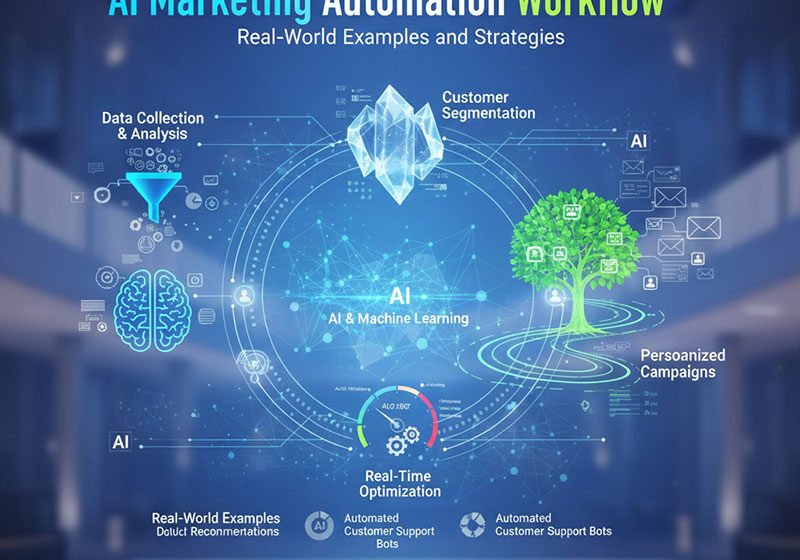
Follett software inbound marketing pipeline conversion sdr workflow
Understanding the Inbound Marketing Ecosystem
What Makes Inbound Marketing Different
Inbound marketing represents a fundamental shift in how businesses connect with potential customers. Instead of pushing messages outward through cold outreach, it focuses on attracting people organically through useful and relevant content. Imagine walking into a store where everything is designed specifically for your needs instead of being chased by a salesperson in the parking lot. That is the essence of inbound marketing. It is built on trust, education, and value.
For organizations like follett software inbound marketing pipeline, which operate in the education technology sector, this approach is especially powerful. Their audience consists of professionals who require time, research, and confidence before making decisions. These buyers are not impulsive. They want solutions that fit their systems and long term goals. Inbound marketing gives them the space to explore while gradually guiding them toward the right solution.
The ecosystem typically includes search engine optimization, content marketing, email nurturing, and CRM systems. Each component works together to create a seamless journey. A blog post might attract a visitor, a downloadable guide might capture their interest, and an email sequence might nurture them further. Over time, these interactions build familiarity and trust.
Another key advantage is sustainability. Once a piece of content ranks well, it can continue generating leads for months or even years. This makes inbound marketing cost efficient compared to traditional advertising. It also creates a consistent pipeline of engaged prospects who are already interested in what the company offers.
Why Follett Software Relies on Inbound
Follett Software operates in a niche where decision making is complex and involves multiple stakeholders. Schools, universities, and libraries do not adopt new systems overnight. They evaluate options carefully and consider long term impacts. This makes inbound marketing the ideal strategy because it supports extended decision cycles.
By using inbound techniques, Follett Software can create targeted content for different roles. A school librarian might be interested in catalog management features, while an administrator might focus on budget efficiency and reporting capabilities. Each piece of content can address a specific concern, making the experience more relevant and engaging.
Inbound marketing also improves lead quality. Instead of reaching out to random prospects, the company interacts with individuals who have already shown interest. These could be people who attended a webinar, downloaded a resource, or explored product pages. This self selection increases the likelihood of conversion because the interest is genuine.
Data shows that well executed inbound strategies can significantly improve performance. For example, conversion rates in structured pipelines can reach impressive levels when leads are properly nurtured and qualified. This demonstrates that inbound marketing is not just about attracting traffic. It is about attracting the right traffic and guiding it effectively.
The Core Stages of the Inbound Pipeline
Awareness Stage Explained
The awareness stage is where potential customers first recognize a problem or opportunity. At this point, they are not looking for a specific product. They are trying to understand their situation better. This is where educational content plays a crucial role.
Follett Software uses resources like blog articles, guides, and webinars to address common challenges in education technology. These materials are designed to answer questions and provide insights without pushing a sales agenda. The goal is to become a trusted source of information.
Think of this stage as planting a seed. If the content is helpful and relevant, the prospect will remember the brand and return for more information. If it feels overly promotional, they will likely move on. This makes authenticity and value essential.
Another important aspect is visibility. Content must be optimized for search engines so that it appears when potential customers are looking for solutions. This ensures a steady flow of new leads entering the pipeline.
Consideration Stage Dynamics
In the consideration stage, prospects begin evaluating different solutions. They have a clearer understanding of their needs and are actively comparing options. This is where the strategy shifts from education to persuasion.
Follett Software provides case studies, product comparisons, and detailed guides to help prospects make informed decisions. These resources highlight the benefits of their solutions while addressing common concerns. Personalization becomes increasingly important at this stage.
Lead scoring systems are often used to track engagement and prioritize leads. For example, a prospect who downloads multiple resources and attends a webinar is likely more interested than someone who only visits a single page. This information helps SDRs focus on the most promising opportunities.
The consideration stage is also where trust is strengthened. By providing clear and relevant information, the company positions itself as a reliable partner rather than just a vendor.
Decision Stage and Conversion
The decision stage is where prospects are ready to take action. They have narrowed down their options and are looking for final confirmation. This is where Sales Development Representatives play a critical role.
SDRs engage directly with prospects through calls, emails, and product demonstrations. Their goal is to address any remaining questions and ensure that the solution aligns with the prospect’s needs. This human interaction is often the deciding factor.
A smooth transition from marketing to sales is essential. If the process feels disjointed, it can create friction and reduce conversion rates. When everything is aligned, the journey feels natural and seamless.
At this stage, timing is crucial. Responding quickly and providing relevant information can make the difference between winning and losing a deal. It is like catching a train. If you miss the moment, the opportunity might be gone.
The Role of SDR Workflow in Pipeline Conversion
SDR Responsibilities and Impact
Sales Development Representatives are responsible for turning interest into opportunity. They take the leads generated by marketing and determine which ones are ready for the next step. This requires a combination of analytical thinking and communication skills.
Their tasks include reviewing leads, conducting initial outreach, qualifying prospects, and scheduling meetings. While these activities may seem routine, their impact is significant. A well executed SDR workflow can dramatically improve conversion rates.
The key is consistency. Every lead should be handled with the same level of attention and professionalism. This ensures that no opportunities are missed and that the brand experience remains positive.
SDRs also provide valuable feedback to marketing teams. By sharing insights about lead quality and common objections, they help refine strategies and improve overall performance.
How SDRs Bridge Marketing and Sales
SDRs act as a bridge between marketing and sales teams. They translate engagement data into actionable insights and ensure that leads are properly qualified before being passed on. This alignment is essential for maintaining efficiency.
For example, if a prospect has engaged with specific content, the SDR can tailor their conversation accordingly. This makes the interaction more relevant and increases the chances of success. It also creates a more personalized experience for the prospect.
Speed is another critical factor. Responding to leads quickly can significantly increase conversion rates. Many organizations aim to contact leads within an hour to maximize engagement. This rapid response shows professionalism and keeps the momentum going.
Without a strong SDR workflow, the pipeline can become inefficient and disorganized. Leads may fall through the cracks, and opportunities may be lost. This highlights the importance of having clear processes and well trained teams.
Key Metrics That Define Pipeline Success
Conversion Rates and Benchmarks
Measuring performance is essential for optimizing any marketing strategy. In the context of inbound pipelines, several metrics provide valuable insights into effectiveness.
| Metric | Description | Ideal Target |
|---|---|---|
| Lead Response Time | Time taken to contact new leads | Under 1 hour |
| Qualification Rate | Percentage of leads that meet criteria | Above 60 percent |
| Conversion Rate | Leads converted into customers | Around 25 percent |
| Pipeline Velocity | Speed of movement through stages | Increasing trend |
These metrics help identify strengths and weaknesses. For example, a low conversion rate might indicate issues with lead quality or SDR performance. By analyzing data, organizations can make informed decisions and improve outcomes.
Pipeline Velocity and Lead Response Time
Pipeline velocity measures how quickly leads move through the funnel. Faster movement often leads to quicker revenue generation. However, speed must be balanced with quality.
Lead response time is particularly important. The sooner an SDR reaches out, the more likely the prospect is to engage. This is because interest is highest immediately after interaction. Delays can result in lost opportunities.
Improving these metrics requires a combination of technology and process optimization. Automation tools can help streamline workflows, while training ensures that SDRs are prepared to handle interactions effectively.
Building an Optimized SDR Workflow
Lead Qualification Frameworks
Not every lead is worth pursuing. This is where qualification frameworks come into play. Models like BANT, which stands for Budget, Authority, Need, and Timeline, help SDRs assess whether a prospect is a good fit.
By applying these criteria, SDRs can focus their efforts on high value opportunities. This improves efficiency and increases the likelihood of conversion. It also ensures that sales teams receive well qualified leads.
Qualification is not just about filtering. It is about understanding the prospect’s needs and aligning them with the solution. This requires careful listening and thoughtful questioning.
Automation and AI Integration
Automation has transformed the way SDR workflows operate. Tasks like lead assignment, follow ups, and data entry can be handled automatically, freeing up time for more meaningful interactions.
Artificial intelligence takes this a step further by analyzing patterns and predicting outcomes. For example, AI can identify which leads are most likely to convert based on their behavior. This allows SDRs to prioritize effectively.
The combination of automation and AI creates a more efficient and scalable workflow. It reduces manual effort and improves accuracy, making it easier to manage large volumes of leads.
Content Strategy for Higher Conversions
Mapping Content to Buyer Journey
Content plays a central role in guiding prospects through the pipeline. Each stage of the journey requires a different type of content.
| Stage | Content Type | Purpose |
|---|---|---|
| Awareness | Blog posts, guides | Educate |
| Consideration | Case studies, webinars | Build trust |
| Decision | Demos, testimonials | Drive action |
Aligning content with the buyer journey ensures that prospects receive the right information at the right time. This improves engagement and increases the chances of conversion.
Personalization Techniques
Personalization is one of the most effective ways to enhance engagement. By tailoring content and communication to individual needs, organizations can create a more meaningful experience.
This can include personalized emails, targeted recommendations, and customized landing pages. These elements make the prospect feel understood and valued, which increases trust.
Studies have shown that personalized experiences can significantly boost engagement and conversion rates. This makes it a key component of any successful inbound strategy.
Common Challenges in SDR Workflow
Slow Response and Missed Opportunities
One of the biggest challenges in SDR workflows is delayed response time. When leads are not contacted quickly, their interest may fade. This results in missed opportunities and lower conversion rates.
Addressing this issue requires efficient processes and reliable tools. Automated alerts and streamlined workflows can help ensure that leads are contacted promptly.
Data Silos and CRM Issues
Another common challenge is data fragmentation. When information is spread across multiple systems, it becomes difficult to get a clear picture of each lead. This can lead to poor decision making.
Integrating systems and maintaining accurate data is essential for success. A centralized CRM ensures that all information is accessible and up to date.
Advanced Strategies to Boost Conversion Rates
Behavioral Triggers and Real Time Engagement
Behavioral triggers allow organizations to respond to actions as they happen. For example, if a prospect visits a pricing page, an SDR can reach out immediately with relevant information.
This real time engagement increases the chances of conversion because it aligns with the prospect’s current interest.
Feedback Loops and Continuous Optimization
Continuous improvement is key to maintaining performance. By analyzing results and gathering feedback, organizations can identify areas for improvement.
Regular communication between marketing and SDR teams ensures alignment and helps refine strategies. This creates a cycle of ongoing optimization.
Future Trends in SDR and Inbound Marketing
AI, Automation, and Predictive Analytics
The future of inbound marketing is driven by technology. AI and predictive analytics are enabling more accurate forecasting and better decision making.
Automation is also becoming more advanced, allowing for more sophisticated workflows. These developments are transforming the way organizations manage their pipelines.
As these technologies continue to evolve, they will play an increasingly important role in driving efficiency and improving outcomes.
Conclusion and Key Takeaways
The Follett Software inbound marketing pipeline conversion SDR workflow is a powerful framework for driving growth. By aligning marketing efforts with SDR processes, organizations can create a seamless journey that converts interest into action.
Success depends on a combination of strategy, technology, and execution. From creating valuable content to responding quickly to leads, every step plays a role in the overall outcome. When these elements work together, the result is a highly effective and scalable pipeline.
FAQs
1. What is an SDR workflow in inbound marketing?
An SDR workflow is a structured process used to qualify and nurture leads before passing them to the sales team.
2. Why is inbound marketing important for Follett Software?
It attracts qualified leads and supports the long decision making cycles common in education.
3. What are the main stages of the inbound pipeline?
Awareness, consideration, and decision stages guide prospects from discovery to purchase.
4. How can SDRs improve conversion rates?
By responding quickly, personalizing outreach, and focusing on high quality leads.
5. What role does AI play in SDR workflows?
AI helps analyze data, predict outcomes, and optimize lead prioritization.