
how smart home technology will change lives
Introduction to Smart Home Technology
What Defines a Smart Home Today
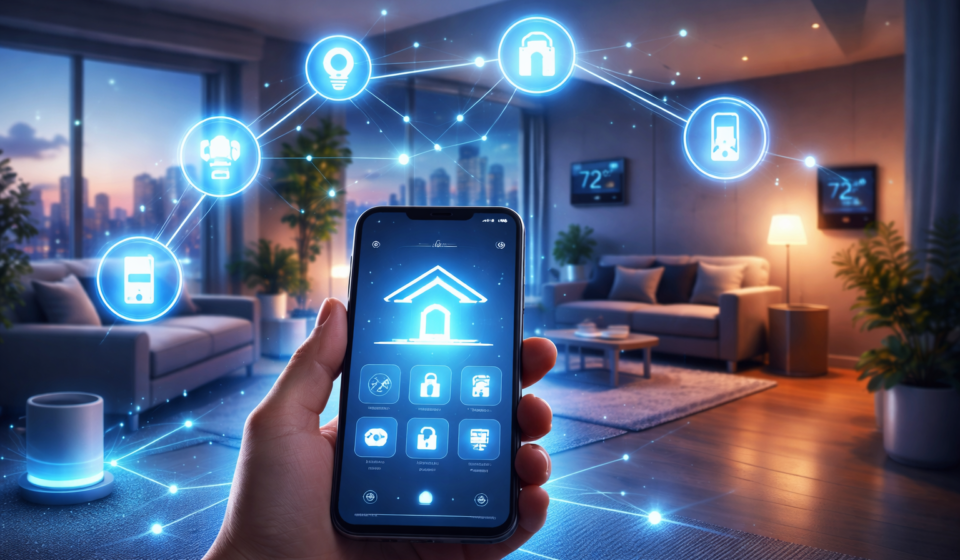
Imagine walking into your house and the lights turn on automatically, the temperature adjusts to your preference, and your favorite music starts playing without touching anything. That is the reality of smart home technology today. A smart home is a system of connected devices that communicate with each other to automate daily tasks. These devices include lighting, thermostats, appliances, security systems, and voice assistants that respond instantly to your commands.
What makes modern smart homes powerful is their ability to learn behavior. Over time, these systems observe routines and adapt accordingly. Your thermostat learns when you wake up, lights adjust based on time of day and home begins to feel less like a structure and more like a responsive environment. This level of personalization is changing how people experience comfort and control inside their living spaces.
Evolution from Traditional to Smart Living
Homes used to be simple and manual. You flipped switches, adjusted dials, and controlled everything physically. Now, homes are evolving into digital ecosystems. This transformation is driven by connected technology, mobile devices, and intelligent software systems.
Smart homes are no longer limited to luxury living. Affordable devices and easy installation have made them accessible to everyday users. The shift from traditional homes to smart living reflects a broader change in how people interact with technology. It is not just about convenience. It is about creating a living experience that adapts to human needs in real time.
The Rapid Growth of Smart Home Adoption
Key Statistics and Market Trends
Smart home adoption has grown rapidly in recent years. A large percentage of households now use at least one smart device, and that number continues to rise each year. The global smart home market is expanding quickly as more people invest in connected living solutions.
The growth is not limited to one region. It is happening worldwide. More companies are entering the market, creating competition that lowers prices and improves product quality. This rapid expansion shows that smart home technology is becoming a standard part of modern life rather than a niche trend.
Why Adoption is Accelerating
Several factors are driving this growth. First, people want convenience. They want homes that save time and reduce effort. Second, energy efficiency is becoming a priority. Smart devices help reduce electricity use and lower bills. Third, security concerns are pushing homeowners to invest in smarter systems.
Another important factor is integration. Devices now work together seamlessly. Instead of managing separate systems, users control everything from one place. This simplicity makes smart homes more appealing and easier to adopt.
Everyday Convenience and Automation
Voice Assistants and Hands-Free Living
Voice assistants have become a central part of smart homes. They allow users to control devices using simple voice commands. You can turn lights on, play music, check the weather, or control appliances without moving from your spot.
This hands-free control reduces effort and saves time. It also makes technology more accessible for people of all ages. Children and older adults can interact with smart systems easily. Voice assistants are making homes more interactive and responsive.
Automation of Daily Routines
Automation takes convenience even further. Daily routines can be programmed into the system. Your morning can start with lights turning on gradually, coffee brewing automatically, and temperature adjusting to your comfort level.
These automated routines remove repetitive tasks from your day. Over time, they create a smoother lifestyle. Instead of managing your home, your home manages itself. This shift improves efficiency and allows people to focus on more meaningful activities.
Energy Efficiency and Sustainability
Smart Energy Management Systems
Smart homes play a major role in energy efficiency. Devices like smart thermostats and lighting systems monitor usage and adjust automatically. Lights turn off when rooms are empty. Heating systems reduce output when no one is home.
These systems help reduce energy waste. They also provide detailed insights into energy consumption. Users can track usage patterns and make better decisions about how they use electricity.
Environmental Impact of Smart Homes
Reducing energy use has a direct impact on the environment. Smart homes contribute to lower carbon emissions by optimizing resource usage. Over time, this leads to a more sustainable lifestyle.
Think of it as a home that actively works to protect the environment. Every small adjustment adds up to significant change. Smart homes are becoming an important part of global sustainability efforts.
Enhanced Home Security
Smart Cameras and Monitoring
Security is one of the most important benefits of smart home technology. Smart cameras and sensors provide continuous monitoring of your property. You can check live footage from anywhere using your phone.
These systems offer advanced features like motion detection and night vision. They provide a higher level of protection compared to traditional security methods.
Real-Time Alerts and Remote Access
Smart security systems send instant alerts when unusual activity is detected. You can respond immediately by checking footage or contacting authorities. Some systems even allow you to communicate with visitors remotely.
This level of control provides peace of mind. Whether you are at home or away, you remain connected to your property at all times.
Health and Well-being Improvements
Smart Health Devices at Home
Smart technology is improving health and wellness inside homes. Devices can monitor air quality, track sleep patterns, and provide health insights. These features help users maintain a healthier lifestyle.
For example, air quality monitors detect pollutants and adjust filtration systems automatically. Sleep tracking devices provide feedback that helps improve rest. These tools act like personal health assistants.
Aging in Place with Technology
Smart homes are especially helpful for older adults. Features like fall detection and emergency alerts provide safety and independence. Seniors can live comfortably without constant supervision.
This concept supports aging in place, allowing individuals to remain in their homes longer. Technology provides the support they need while maintaining their independence.
Financial Benefits of Smart Homes
Cost Savings on Utilities
Smart homes can lead to significant savings. By reducing energy waste and optimizing usage, homeowners lower their utility bills. Over time, these savings become substantial.
Smart systems also help prevent damage. For example, leak detectors can alert homeowners before a major issue occurs. This prevents costly repairs.
Increased Property Value
Homes with smart features are more attractive to buyers. They offer convenience, security, and efficiency. These benefits increase property value and make homes easier to sell.
Investing in smart technology is not just about comfort. It is also a smart financial decision that can provide long-term returns.
The Role of Artificial Intelligence and IoT
AI-Powered Decision Making
Artificial intelligence allows smart homes to learn and adapt. Systems analyze data and make decisions based on user behavior. This creates a personalized living experience.
Your home becomes more efficient over time. It anticipates your needs and adjusts automatically. This level of intelligence transforms how people interact with their living spaces.
Interconnected Ecosystems
Smart homes rely on connected devices working together. This creates a unified ecosystem where everything is linked. Your lights, security system, and appliances communicate seamlessly.
This integration improves efficiency and convenience. Instead of managing individual devices, you control a complete system that works together.
Challenges and Concerns
Privacy and Data Security
Smart homes collect a large amount of data. This raises concerns about privacy and security. Users must take steps to protect their information.
Strong passwords and regular updates are essential. Choosing reliable devices also reduces risk.
Cost and Accessibility Issues
While prices are decreasing, some systems are still expensive. Not everyone can afford a fully smart home setup. Access to reliable internet is also necessary for these systems to function.
These challenges may slow adoption in some areas, but improvements in technology are making smart homes more accessible over time.
The Future of Smart Living
Predictions for 2030 and Beyond
Smart homes are expected to become standard in the near future. More homes will include built-in smart systems rather than add-on devices. Technology will continue to improve, making systems more efficient and user-friendly.
This shift will change expectations. People will begin to see smart features as essential rather than optional.
Smart Cities and Connected Lifestyles
The future extends beyond individual homes. Entire cities are becoming connected. Smart homes will be part of larger networks that improve transportation, energy use, and public services.
This connected lifestyle will create more efficient and sustainable communities. It represents the next step in the evolution of modern living.
Conclusion
Smart home technology is transforming daily life in ways that were once unimaginable. It simplifies routines, improves security, enhances health, and reduces energy consumption. As technology continues to evolve, smart homes will become even more intelligent and integrated. The result is a living experience that is more comfortable, efficient, and responsive than ever before.
FAQs
1. What is smart home technology?
Smart home technology includes connected devices that automate and control household functions such as lighting, security, and temperature.
2. Are smart homes expensive?
Costs vary, but many affordable options exist, and long-term savings often offset initial investment.
3. How do smart homes improve security?
They provide real-time monitoring, alerts, and remote access to security systems.
4. Can smart homes save energy?
Yes, they optimize energy use by adjusting systems based on occupancy and usage patterns.
5. What is the future of smart homes?
Smart homes will become more advanced, widely adopted, and integrated into connected city systems.