
How future healthcare technology is elevating at home care
Introduction to the Shift Toward Home-Based Healthcare
Healthcare is quietly undergoing one of the most important transformations in its history. Care is no longer limited to hospitals, clinics, or specialized facilities. Instead, it is moving directly into people’s homes. This shift is being driven by rapid technological advancements combined with changing expectations from patients who want more control over their health. People today are not just looking for treatment. They want convenience, personalization, and comfort, all of which are possible through home-based healthcare.
Think about how daily life has evolved with technology. We shop from home, work remotely, and even learn online. Healthcare is simply following the same path. The idea of receiving medical attention without stepping outside is no longer futuristic. It is becoming a standard practice. With tools like remote monitoring devices, mobile health apps, and virtual consultations, patients can now stay connected with healthcare providers at all times.
Another important factor is the growing demand for managing chronic diseases. Conditions like diabetes, hypertension, and heart disease require continuous monitoring rather than occasional hospital visits. Home healthcare technology allows patients to stay on top of their conditions while maintaining a normal lifestyle. This approach not only improves outcomes but also reduces the burden on healthcare systems that are often overcrowded and under pressure.
Why Patients Prefer Care at Home
Comfort plays a powerful role in healing. Being at home allows patients to relax in a familiar environment surrounded by loved ones. This emotional stability can significantly impact recovery, especially for elderly patients or those dealing with long-term illnesses. Hospitals can feel overwhelming, while home provides a sense of control and peace.
Another key reason is safety. Hospitals, despite being centers of healing, can expose patients to infections. At home, the risk of hospital-acquired infections is reduced. This is particularly important for individuals with weakened immune systems. Families also find it easier to stay involved in the care process, which strengthens support systems and improves overall well-being.
Cost is another major factor. Hospital stays can be expensive, especially when extended over time. Home care, supported by technology, often reduces these costs by minimizing unnecessary visits and procedures. Patients can receive the same level of attention without the financial burden associated with traditional healthcare settings.
The Role of Technology in This Transformation
Technology is the engine powering this shift toward home-based healthcare. It connects patients, caregivers, and healthcare providers in ways that were not possible before. Digital platforms allow real-time communication, while smart devices collect and share vital health data instantly.
Artificial intelligence plays a crucial role by analyzing large amounts of data to identify patterns and predict potential health risks. This allows healthcare providers to act early rather than waiting for symptoms to worsen. Mobile applications also make it easier for patients to manage medications, schedule appointments, and track their health progress.
The integration of these technologies creates a seamless healthcare experience. Instead of isolated interactions, patients receive continuous care that adapts to their needs. This level of personalization is transforming how healthcare is delivered and experienced.
The Rise of Telehealth and Virtual Care
Telehealth has become one of the most visible aspects of modern healthcare technology. What started as a simple solution for remote consultations has evolved into a comprehensive system that supports diagnosis, treatment, and follow-up care. Patients can now connect with doctors through video calls, chat platforms, and dedicated healthcare apps.
The convenience of telehealth cannot be overstated. Patients no longer need to travel long distances or wait in crowded clinics. Instead, they can receive medical advice from the comfort of their homes. This is especially beneficial for people living in rural areas where access to healthcare facilities may be limited.
Telehealth also improves efficiency within the healthcare system. Doctors can manage more patients by reducing time spent on administrative tasks and physical consultations. This allows for quicker response times and better allocation of resources. As a result, both patients and healthcare providers benefit from a more streamlined process.
Evolution from Basic Video Calls to Integrated Care
In its early days, telehealth was limited to simple video consultations. Today, it has expanded into a fully integrated care system. Patients can share medical records, upload test results, and receive prescriptions all within a single platform. This integration ensures that healthcare providers have a complete view of the patient’s condition.
The addition of diagnostic tools has further enhanced telehealth services. Devices that measure vital signs can transmit data directly to doctors during consultations. This allows for more accurate assessments and reduces the need for in-person visits. The experience becomes more interactive and effective.
Hybrid Healthcare Models
Hybrid models combine virtual care with traditional in-person visits. Patients can start with an online consultation and only visit a clinic if necessary. This approach reduces unnecessary travel and ensures that physical visits are reserved for cases that truly require them.
This model also supports continuity of care. Patients can maintain regular contact with their healthcare providers without disrupting their daily routines. It creates a balance between convenience and quality, making healthcare more accessible and adaptable.
Remote Patient Monitoring Revolution
Remote patient monitoring is changing how healthcare providers track and manage patient health. Instead of relying on occasional checkups, doctors can now receive continuous updates on a patient’s condition. This shift allows for more proactive care and better management of chronic diseases.
Devices used in remote monitoring collect data such as heart rate, blood pressure, oxygen levels, and glucose levels. This information is transmitted to healthcare providers in real time. If any abnormalities are detected, alerts can be sent immediately, allowing for quick intervention.
This continuous flow of data creates a more accurate picture of a patient’s health. It eliminates the guesswork that often comes with infrequent visits. Patients also feel more secure knowing that their health is being monitored around the clock.
How Remote Monitoring Works
The process begins with wearable or home-based devices that track specific health metrics. These devices are connected to digital platforms that store and analyze the data. Healthcare providers can access this information through secure systems and monitor trends over time.
Patients are often given easy-to-use devices that require minimal technical knowledge. This ensures that even individuals who are not tech-savvy can benefit from remote monitoring. The simplicity of these tools makes them widely accessible.
Benefits of Continuous Monitoring
Continuous monitoring allows for early detection of potential health issues. Small changes in vital signs can be identified before they develop into serious problems. This proactive approach reduces hospital admissions and improves patient outcomes.
It also empowers patients to take control of their health. By having access to their own data, individuals can make informed decisions about their lifestyle and treatment plans. This sense of involvement leads to better adherence to medical advice and improved overall health.
Artificial Intelligence in Home Healthcare
Artificial intelligence is playing a transformative role in home healthcare. It processes vast amounts of data quickly and accurately, providing insights that would be difficult for humans to identify. This capability is particularly valuable in managing complex health conditions.
AI systems can analyze patterns in patient data and predict potential risks. For example, changes in heart rate or activity levels can indicate underlying issues. By identifying these patterns early, healthcare providers can take preventive measures.
AI also supports decision-making by providing recommendations based on data analysis. This helps doctors deliver more precise and effective treatments. The result is a more personalized approach to healthcare.
Predictive Analytics and Early Diagnosis
Predictive analytics uses historical and real-time data to forecast future health outcomes. This allows healthcare providers to anticipate problems and intervene before they escalate. Early diagnosis is crucial in preventing complications and improving recovery rates.
Patients benefit from reduced stress and uncertainty. Knowing that potential issues can be detected early provides a sense of security. It shifts healthcare from a reactive model to a proactive one.
AI Automation in Clinical Workflows
AI is also streamlining administrative tasks within healthcare. Scheduling appointments, managing records, and processing data can all be automated. This reduces the workload on healthcare providers and allows them to focus more on patient care.
Automation improves efficiency and reduces the likelihood of errors. It ensures that processes run smoothly and consistently. This enhances the overall quality of care provided to patients.
Wearable Devices and IoT Integration
Wearable devices have become an essential part of modern healthcare. These devices are designed to be worn comfortably while continuously tracking health metrics. They provide valuable insights into daily activities and overall well-being.
The integration of the Internet of Things allows these devices to communicate with other systems. Data collected from wearables can be shared with healthcare providers in real time. This creates a connected ecosystem that supports continuous care.
Wearables are also becoming more advanced. They can now monitor sleep patterns, stress levels, and even detect irregular heart rhythms. This level of detail helps in managing health more effectively.
Types of Wearable Health Devices
There are various types of wearable devices available, each designed for specific purposes. Fitness trackers focus on activity levels, while medical-grade devices monitor vital signs. Smartwatches often combine multiple functions, making them versatile tools for health management.
These devices are designed to be user-friendly. They require minimal setup and can be easily integrated into daily routines. This convenience encourages regular use and ensures consistent data collection.
Real-Time Data Tracking
Real-time data tracking allows for immediate insights into a patient’s health. Changes can be detected instantly, enabling quick responses to potential issues. This reduces the risk of complications and improves overall safety.
Healthcare providers can use this data to make informed decisions. It provides a comprehensive view of the patient’s condition, allowing for more accurate diagnoses and treatments.
Smart Homes Transforming Patient Care
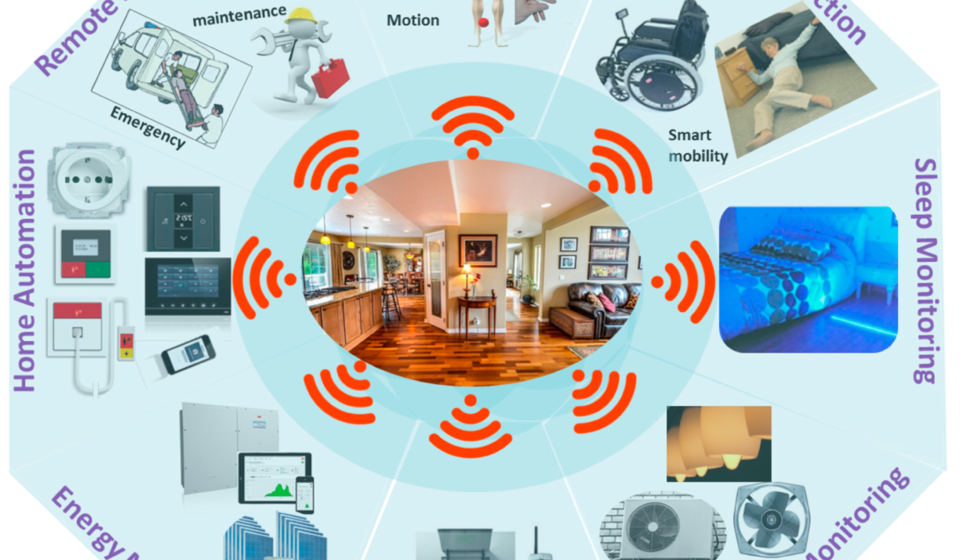
Smart homes are redefining the concept of healthcare. By integrating advanced technologies, homes can be transformed into supportive environments that promote health and safety. These systems are particularly beneficial for elderly individuals and those with chronic conditions.
Sensors and connected devices can monitor movement, detect falls, and track daily activities. This information can be used to identify changes in behavior that may indicate health issues. It adds an extra layer of security for patients living alone.
Voice-activated assistants also play a role in healthcare. They can remind patients to take medication, schedule appointments, and provide information. This reduces the reliance on caregivers and promotes independence.
IoT-Enabled Smart Environments
IoT-enabled environments create a network of connected devices that work together to support patient care. From smart lighting to automated temperature control, these systems enhance comfort and safety.
Healthcare-specific devices can be integrated into this network. For example, smart beds can adjust positions to prevent discomfort, while sensors can monitor vital signs. This level of integration creates a holistic approach to care.
Emergency Response Systems
Emergency response systems are a critical component of smart homes. They can detect emergencies such as falls or sudden health changes and alert caregivers immediately. This rapid response can be life-saving in critical situations.
These systems provide peace of mind for both patients and their families. Knowing that help is just a moment away creates a sense of security and confidence.
Hospital-at-Home Concept
The hospital-at-home model is changing how healthcare is delivered. It allows patients to receive hospital-level care in their own homes. This approach combines advanced technology with professional medical support.
Patients can receive treatments such as intravenous therapy, monitoring, and consultations without being admitted to a hospital. This reduces the stress associated with hospitalization and promotes faster recovery.
Healthcare providers can monitor patients remotely and adjust treatments as needed. This ensures that patients receive high-quality care without leaving their homes.
Virtual Wards Explained
Virtual wards function as digital extensions of hospitals. Patients are monitored through connected devices, and healthcare providers can track their progress in real time. This creates a structured environment similar to a hospital setting.
Patients benefit from personalized care plans tailored to their needs. This approach ensures that each individual receives the attention required for their condition.
Benefits Over Traditional Hospitalization
Home-based hospitalization offers several advantages. It reduces the risk of infections, lowers costs, and improves patient satisfaction. Patients recover in a familiar environment, which can positively impact their mental health.
Healthcare systems also benefit by freeing up hospital beds for critical cases. This improves overall efficiency and resource management.
Data Integration and Interoperability
Data integration is essential for effective healthcare delivery. It ensures that information from different sources is combined and accessible to healthcare providers. This creates a comprehensive view of the patient’s health.
Interoperability allows different systems to communicate with each other. This ensures that data can be shared seamlessly across platforms. It eliminates the need for manual data entry and reduces errors.
Unified Healthcare Platforms
Unified platforms bring together data from various devices and systems. This allows healthcare providers to access all relevant information in one place. It improves decision-making and enhances the quality of care.
Patients also benefit from having a centralized system for managing their health. They can access their records, track progress, and communicate with providers بسهولة.
Seamless Data Flow
Seamless data flow ensures that information is updated in real time. This allows for timely interventions and better coordination among healthcare providers. It creates a more efficient and responsive healthcare system.
Benefits of At-Home Healthcare Technology
At-home healthcare technology offers numerous benefits that go beyond convenience. It transforms how care is delivered and experienced.
Improved Patient Outcomes
Continuous monitoring and early intervention lead to better health outcomes. Patients receive timely care, reducing the risk of complications. This proactive approach improves overall well-being.
Cost Efficiency
Home-based care is often more affordable than traditional hospital care. It reduces the need for expensive treatments and hospital stays. This makes healthcare more accessible to a wider population.
Challenges and Risks in Home Healthcare Technology
Despite its advantages, home healthcare technology faces several challenges. Addressing these issues is essential for its continued growth.
Data Privacy Concerns
The collection and sharing of health data raise concerns about privacy and security. Ensuring that data is protected is crucial for maintaining trust. Strong security measures and regulations are needed to address these concerns.
Technology Accessibility Issues
Not everyone has access to advanced technology. This creates a gap in healthcare access. Efforts must be made to ensure that these technologies are available to all individuals, regardless of their location or financial status.
Conclusion
Healthcare is undergoing a remarkable transformation, moving from hospitals into homes with the help of advanced technology. This shift is improving accessibility, reducing costs, and enhancing patient experiences. With innovations like telehealth, artificial intelligence, and smart devices, home-based care is becoming more effective and reliable.
The future of healthcare lies in creating systems that are proactive, personalized, and accessible. As technology continues to evolve, the possibilities for home healthcare will expand even further. Patients will have greater control over their health, and healthcare providers will be able to deliver better care more efficiently.
FAQs
1. What is home healthcare technology?
Home healthcare technology includes tools and devices that allow patients to receive medical care at home, such as remote monitoring systems and telehealth platforms.
2. How does AI improve home healthcare?
AI analyzes data, predicts health risks, and automates tasks, making healthcare more efficient and proactive.
3. Are wearable devices accurate?
Many modern wearable devices provide reliable data and are widely used for monitoring health conditions.
4. What are virtual wards?
Virtual wards allow patients to receive hospital-level care at home using digital tools and remote monitoring.
5. Is home healthcare cost-effective?
Yes, it often reduces hospital visits and treatment costs, making healthcare more affordable.